
Attention
MTI BOOST ADJUMANI HEALTH SERVICES WITH 154 NEW STAFF
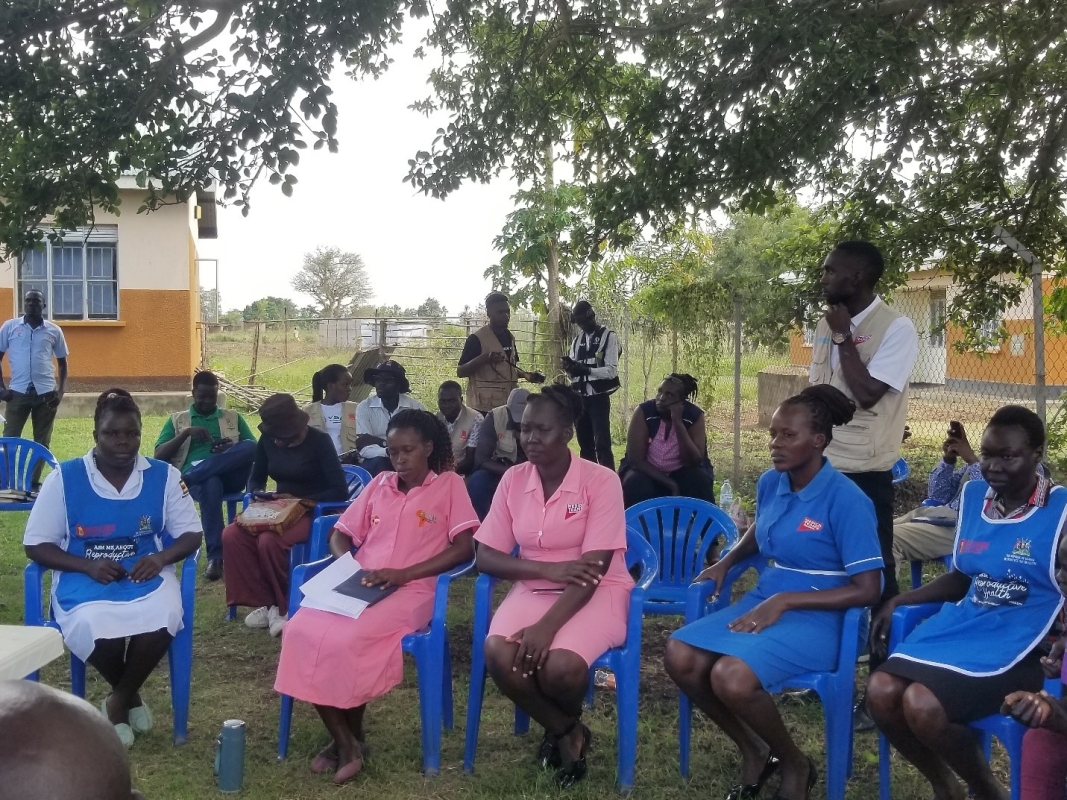
By Bazio Doreen.
The Government of Uganda and humanitarian partners have intensified efforts to stabilize healthcare services in Adjumani District following months of severe staffing shortages that disrupted service delivery across refugee-hosting communities.
The intervention comes after the recruitment of 154 health workers by Medical Teams International with support from United Nations Office for the Coordination of Humanitarian Affairs, helping to restore operations in health facilities that had been overwhelmed by staffing gaps earlier this year.
The crisis emerged in January 2026 after more than 288 humanitarian-supported health workers exited service following funding shortfalls, significantly affecting healthcare delivery in one of Uganda’s largest refugee-hosting districts. The reductions left several facilities operating below minimum staffing requirements, disrupting maternal healthcare, outpatient services, nutrition programs, and emergency response systems.
Adjumani currently hosts more than 234,000 refugees across 19 settlements in addition to a large host community population, creating sustained pressure on public services. Health officials estimate that the district’s healthcare system supports nearly half a million people, making it one of the most burdened humanitarian response areas in northern Uganda.
District health leaders say the staffing shortages exposed the vulnerability of frontline services in refugee-hosting districts where humanitarian financing remains heavily relied upon to sustain healthcare operations.
Dr. Lulu Henry Leku, Assistant District Health Officer in charge of Maternal Health Care, said the district had to rapidly reorganize available staff and coordinate emergency support to avoid a complete collapse of services.
“The staffing gap created immense pressure on our health facilities because some were left operating with less than 20 percent of the required workforce. Maternal health services were among the most affected areas because skilled personnel are essential for safe deliveries and emergency care,” Dr. Lulu explained.
According to district officials, some facilities temporarily reduced operating hours while others suspended services for several days due to the staffing crisis. High-volume facilities serving both refugees and host communities were particularly affected.
At Ayilo Health Centre III, which serves nearly 26,000 people, patient numbers remained high despite the shortage. The facility records an average daily outpatient attendance of between 120 and 150 patients and handles up to 100 deliveries every month.
Facility in-charge Iceta Michael said the staffing reductions created operational strain that directly affected service continuity.
“Before the funding challenges, the facility had 38 staff supporting healthcare delivery. Following the layoffs, only a handful of staff remained, forcing temporary closure of some services before additional support was mobilized,” Iceta said.
He noted that deployment of additional midwives, a clinical officer, and a nutritionist has since improved service delivery and reduced pressure on existing personnel.
The latest recruitment is also expected to strengthen implementation of Uganda’s integrated refugee response policy, which allows refugees and host communities to access shared public services, including healthcare and education.
Government officials say the intervention demonstrates the importance of coordinated action between central government institutions, district authorities, UN agencies, and implementing partners in sustaining essential social services in refugee-hosting districts.
Abina Polly Irene, Resident District Officer representing the Office of the Prime Minister of Uganda, said the staffing gaps had visible consequences on health service delivery and community wellbeing.
“We witnessed reduced operational capacity in several facilities due to funding limitations. However, through joint coordination and support from humanitarian agencies, critical services are gradually being restored to stabilize healthcare access for affected communities,” Abina said.
Frontline health workers have welcomed the additional staffing support, saying it has improved workload management and strengthened maternal healthcare response.
Judith Akello, a midwife at Ayilo Health Centre III, said the increase in staffing has enhanced patient care and reduced pressure on the few remaining workers.
“The additional support has improved service delivery, especially in maternal healthcare. We are now better able to attend to mothers and patients seeking care at the facility,” Akello said.
Uganda remains Africa’s largest refugee-hosting country, accommodating more than 1.7 million refugees, mainly from South Sudan, the Democratic Republic of Congo, and Sudan. Districts such as Adjumani continue to face increasing demand for healthcare, water, education, and livelihood services amid declining humanitarian funding globally.
According to United Nations High Commissioner for Refugees officials, the refugee situation in Adjumani is increasingly protracted, requiring long-term investment in resilient public service systems rather than short-term emergency interventions alone.
Gelila Tsega, Head of Sub Office at UNHCR Adjumani, said sustained partnerships remain critical to ensuring stability in the district.
“Displacement in Adjumani is long-term, which means investments in health systems, staffing, and essential services must also be long-term to adequately support both refugees and host communities,” Tsega said.
District leaders say although the recruitment of 154 health workers has significantly improved staffing levels, additional investments will still be required to fully address existing gaps and strengthen healthcare resilience in the district.
Stakeholders are now calling for sustained financing, expanded recruitment, and stronger support for frontline facilities to prevent future disruptions and ensure uninterrupted access to healthcare services across refugee-hosting communities.
END.